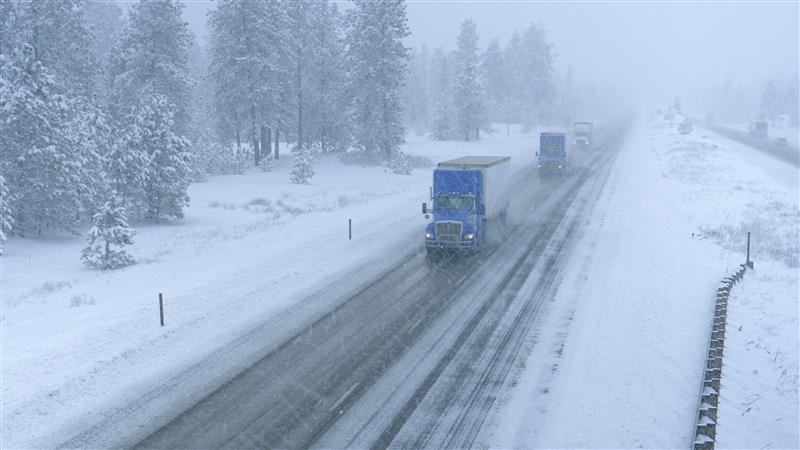
Bracing for the Polar Vortex: What Midwestern Shippers Need to Know & How to Protect Temperature-Sensitive Products
As the Midwest prepares for another powerful polar vortex – bringing sub-zero temperatures, high winds, and hazardous travel conditions -Illinois manufacturers, distributors, pharmacies, and healthcare providers are already feeling the pressure. Extreme cold doesn’t just disrupt operations; it dramatically increases risk for temperature-sensitive shipments.
Whether you’re handling pharmaceuticals, specialty biologics, clinical supplies, vaccines, diagnostics, or direct-to-patient therapies, severe winter weather can become your biggest supply chain variable. But with the right thermal packaging strategy, it doesn’t have to be.
Below are ThermoSafe’s top cold-weather shipping practices to help keep products protected, lanes consistent, and patients safe through the storm.
Why Polar Vortex Conditions Are Especially Challenging
A polar vortex brings more than a temperature drop – it creates inconsistent, unpredictable environmental exposure that can rapidly damage temperature-sensitive goods.
Key risks include:
Prolonged exposure to extreme cold – risking medicine efficacy and failures of temperature sensitive products
More time spent on loading docks due to driver delays
Increased airport and ground-hub dwell times for air cargo
Risk of cold temperature excursion for products intended for controlled ambient (15–25°C) or refrigerated ranges (2–8°C)
The stakes rise even higher for GLP-1 therapies, specialty injectables, cell & gene materials, and clinical trial shipments, where stability windows can be tight and excursions costly.
Ask yourself, given the extreme conditions of a polar vortex, should I refrain from shipping? If your answer is No, see the tips below:
ThermoSafe’s Winter-Weather Packaging Tips
1. Select Packaging with Higher Insulation Properties
During polar vortex conditions, small fluctuations matter.
Consider solutions with:
Longer qualified durations to handle unpredictable dwell times
Thicker insulation (EPS, PUR, or VIP)
Higher R-value materials that maintain internal temperatures despite extreme cold
Your best bet is to use longer qualified duration shippers. Using packaging with thicker insulation or higher R-value materials could help, but it could also trap too much cold air in the system causing a cold excursion. When a 48-hour or 72-hour shipment quickly becomes a 96-hour shipment – that extra cold can build up inside.
2. Avoid “Protection Only” Controls for Freezing-Sensitive Products
If your product must stay above freezing, use packaging that actively prevents overcooling.
Smart strategies:
Pre-condition gel packs to +20°C (room temp) for controlled ambient shipments
Select systems qualified against cold weather conditions representative of your shipments
Avoid shipping with frozen gel packs unless the lane demands it
In extreme cold, pack-outs must be intentional, not generic.
3. Prepare for Extended Transit and Build in Safety Margins
Weather disruptions can easily add:
Extra hours on the dock
Rerouted truck lanes
Additional hub time during peak congestion
Customized last-mile holds
Evaluate your lane risk:
Lane Situation
Recommendation
High dwell times or variable couriers
Use a higher-duration shipper (48–120 hours)
Multiple temperature excursions last winter
Switch to a qualified solution designed for more extreme winter conditions
4. Review Your Product Stability Data
Many teams underestimate the risk of freezing during winter.
Products that tolerate heat excursions don’t always tolerate cold ones.
Confirm:
Minimum allowable exposure temperature
Lowest validated stability threshold
Freeze-thaw sensitivity
Special handling instructions
Your packaging strategy should always match the product’s lowest point of failure.
5. Build Out Your Winter SOPs Now
A strong winter preparedness plan includes:
Updated pack-out instructions for cold seasons
Standardized packaging by lane and risk level
Carrier-specific handling requirements
Escalation procedures for excursions
Communication templates for patient services and clinical teams
If you don’t have documented winter shipping SOPs, the polar vortex is your perfect prompt.
ThermoSafe’s Take: Be Prepared, Not Reactive
The polar vortex is a reminder of something ThermoSafe has championed for decades: Thermal protection isn’t seasonal – it’s strategic.
By strengthening your packaging plan now, you can:
Reduce product loss
Prevent costly reshipments
Maintain patient continuity
Keep operations smooth despite severe weather
Protect brand trust when customers need reliability most
Our team is ready to help you navigate winter challenges with data-driven, qualified packaging solutions built to perform under extreme conditions.
Need Help Choosing the Right Winter Packaging?
ThermoSafe experts can recommend solutions based on:
Product profile
Lane conditions
Transit time
Stability data
Budget and scale
Reach out to your ThermoSafe representative to prepare your cold-weather shipping strategy today. Or Contact us here.
Stay warm. Stay safe. Stay in control. ThermoSafe – Protection You Can Trust in Every Season.
We use cookies on our website to give you the most relevant experience by remembering your preferences and repeat visits. By clicking “Accept All”, you consent to the use of ALL the cookies. However, you may visit "Cookie Settings" to provide a controlled consent.
This website uses cookies to improve your experience while you navigate through the website. Out of these, the cookies that are categorized as necessary are stored on your browser as they are essential for the working of basic functionalities of the website. We also use third-party cookies that help us analyze and understand how you use this website. These cookies will be stored in your browser only with your consent. You also have the option to opt-out of these cookies. But opting out of some of these cookies may affect your browsing experience.
Necessary cookies are absolutely essential for the website to function properly. These cookies ensure basic functionalities and security features of the website, anonymously.
Cookie
Duration
Description
cookielawinfo-checkbox-analytics
11 months
This cookie is set by GDPR Cookie Consent plugin. The cookie is used to store the user consent for the cookies in the category "Analytics".
cookielawinfo-checkbox-functional
11 months
The cookie is set by GDPR cookie consent to record the user consent for the cookies in the category "Functional".
cookielawinfo-checkbox-necessary
11 months
This cookie is set by GDPR Cookie Consent plugin. The cookies is used to store the user consent for the cookies in the category "Necessary".
cookielawinfo-checkbox-others
11 months
This cookie is set by GDPR Cookie Consent plugin. The cookie is used to store the user consent for the cookies in the category "Other.
cookielawinfo-checkbox-performance
11 months
This cookie is set by GDPR Cookie Consent plugin. The cookie is used to store the user consent for the cookies in the category "Performance".
viewed_cookie_policy
11 months
The cookie is set by the GDPR Cookie Consent plugin and is used to store whether or not user has consented to the use of cookies. It does not store any personal data.
Functional cookies help to perform certain functionalities like sharing the content of the website on social media platforms, collect feedbacks, and other third-party features.
Performance cookies are used to understand and analyze the key performance indexes of the website which helps in delivering a better user experience for the visitors.
Analytical cookies are used to understand how visitors interact with the website. These cookies help provide information on metrics the number of visitors, bounce rate, traffic source, etc.
Advertisement cookies are used to provide visitors with relevant ads and marketing campaigns. These cookies track visitors across websites and collect information to provide customized ads.